
The national animal of Pakistan is the markhor (Capra falconeri), a wild mountain goat famous for its spectacular corkscrew horns, which can grow up to 160 cm long. Once endangered with fewer than 2,500 left in the wild, Pakistan’s community-based conservation programme helped the markhor population recover to over 5,000 today. Today, a strictly regulated markhor hunting programme continues to fund the species’ protection.
| National animal of | Pakistan |
| Common name | Markhor (screw-horned goat) |
| Scientific name | Capra falconeri |
| Family | Bovidae (wild goat) |
| Horn length | Up to 160 cm in males |
| Weight | 80-110 kg (males), 32-50 kg (females) |
| Habitat | Mountains of northern Pakistan |
| IUCN status | Near Threatened |
| Population | Over 5,000 |
What is a Markhor?
The markhor (Capra falconeri) is a large wild goat that lives in Pakistan’s mountains. It’s famous for its amazing corkscrew horns that can grow over 5 feet long.
Key Facts:
- Weight: Males 80-110 kg, Females 32-50 kg
- Horn length: Up to 160 cm (males), 25 cm (females)
- Color: Light brown to dark gray with white markings
- Lifespan: 10-13 years in the wild
The name “markhor” comes from Persian words meaning “snake eater.” Local legends say these goats hunt snakes, though scientists haven’t proven this.
Where Do Markhors Live?
Markhors live in Pakistan’s northern mountains, especially in:
- Hindu Kush Mountains
- Western Himalayas
- Chitral Gol National Park
- Toshi Shasha Community Game Reserve
They prefer steep, rocky slopes with oak, pine, juniper, and fir trees. These areas get little rain, but markhors have adapted well.
Habitat Range:
- Elevation: 600 to 3,600 meters
- Climate: Dry temperate zones
- Terrain: Steep cliffs and rocky slopes
Markhor Physical Features
Body and Size
Adult male markhors are impressive animals. They measure 132-186 cm long and stand tall on powerful legs. Females are smaller but equally graceful.
The Famous Horns
Markhor horns are nature’s masterpiece. They spiral like corkscrews and help males fight during mating season. Each subspecies has slightly different horn shapes.
Coat Changes
In winter, markhors grow thick, shaggy fur for warmth. Come summer, they shed this coat for a shorter, smoother one. Their lower legs have distinctive black and white fur.
How Do Markhors Behave?
Social Life
- Males: Usually live alone except during mating season
- Females: Form small groups of 8-9 animals
- Family groups: Mothers stay with their young for 6 months
Daily Activities
Markhors are excellent climbers. They navigate steep cliffs that other animals can’t reach. This skill helps them find food and escape predators.
They eat grasses, leaves, and shrubs. Their strong sense of smell and sharp eyesight help them spot danger early.
Breeding Season
Mating happens in fall and winter. Males use their horns to fight for mates. After 135-170 days, females give birth to 1-2 kids in spring when food is plentiful.
Markhor Conservation: A Success Story
From Endangered to Near Threatened
Since 1994, the International Union for Conservation of Nature (IUCN) has listed the markhor as Endangered due to widespread hunting and shrinking habitats.
Then something changed.
Population Recovery:
- 1990s: Listed as “Endangered”
- 2015: Upgraded to “Near Threatened”
- Current: Over 5,000 individuals
How Community Conservation Works
Pakistan tried a new approach: regulated trophy hunting with community benefits.
The System:
- International hunters pay large fees for permits
- Money goes directly to local villages
- Communities protect markhors instead of hunting them
- Local rangers monitor and guard the animals
Results:
- Markhor numbers increased significantly
- Villages built schools, roads, and water systems
- Poaching decreased dramatically
- Communities now value markhors as economic assets
This model proves that conservation works when local people benefit directly.
Current Threats to Markhors
Despite recovery, markhors still face challenges:
Habitat Loss
Farms and settlements expand into markhor territory. Roads fragment their habitat, making it harder to find food and mates.
Competition with Livestock
Domestic goats compete for grazing areas. This competition intensifies during harsh winters when food is scarce.
Remaining Poaching
While reduced, some illegal hunting continues in remote areas. Small, isolated populations face higher extinction risk.
Climate Change
Changing weather patterns affect the plants markhors depend on. They may need to move to new areas as conditions shift.
Cultural Importance of Markhors
National Symbol
The markhor appears on Pakistani currency and emblems. It represents:
- Strength and resilience
- National pride
- Conservation commitment
Historical Significance
For centuries, northern Pakistani tribes considered markhor hunting a test of courage and skill. Today, this tradition has evolved into pride in protection rather than hunting.
Economic Benefits
Trophy hunting revenue has funded:
- Village schools
- Road construction
- Water channel systems
- Healthcare facilities
Markhor Subspecies
Scientists recognize several markhor subspecies based on horn shape and location:
Astor Markhor (Capra falconeri falconeri)
- Horn style: Flat, wide-branching
- Location: Pakistan, Afghanistan, India
- Also called: Pir Panjal markhor
Bukharan Markhor (Capra falconeri heptneri)
- Horn style: Three half-turn twist
- Location: Afghanistan, Tajikistan, Turkmenistan, Uzbekistan
Kabul Markhor (Capra falconeri megaceros)
- Horn style: Straight with slight corkscrew
- Location: Afghanistan, Pakistan
- Also called: Straight-horned markhor
Kashmir Markhor (Capra falconeri cashmiriensis)
- Horn style: Heavy, flat with loose corkscrew twist
- Location: Kashmir region
Research and Monitoring
Scientists continue studying markhors to improve conservation:
Current Research Areas
- Seasonal feeding patterns
- Effects of sexual segregation on populations
- Impact of climate change on habitat
- Competition with domestic livestock
Community Monitoring Programs
Local rangers track markhor populations through:
- Regular wildlife surveys
- Population counts
- Habitat quality assessments
- Threat monitoring
This data helps managers make better conservation decisions.
Sustainable Markhor Tourism
Want to see markhors responsibly? Here’s how:
Best Practices
- Hire local guides who know markhor behavior
- Keep safe distances to avoid disturbing animals
- Visit protected areas like Chitral Gol National Park
- Support community tourism that funds conservation
Best Times to Visit
Spring and early summer offer the best viewing opportunities. Markhors are most active during these seasons, and mountain weather is pleasant.
Photography Tips
- Use telephoto lenses to maintain distance
- Visit early morning or late afternoon for best light
- Respect animal welfare over getting the perfect shot
- Never use bait or calls to attract markhors
Future of Markhor Conservation
Ongoing Challenges
Conservation success requires continuous effort. Key priorities include:
- Maintaining community support through continued economic benefits
- Adapting to climate change by protecting diverse habitats
- Reducing human-wildlife conflict through better livestock management
- Expanding protected areas to connect isolated populations
Policy Development
Researchers like Hassan Virk work to balance conservation with community development needs. Future policies must address both wildlife protection and human welfare.
Economic Sustainability
The community-based model needs ongoing support. Diversifying income through eco-tourism can reduce dependence on trophy hunting alone.
International Cooperation
Global attention helps secure funding and expertise. Virtual programs and documentaries raise awareness while generating conservation funds.
Why Markhors Matter
The markhor story shows what’s possible when conservation aligns with community interests. These animals prove that humans and wildlife can thrive together.
Key Lessons:
- Community involvement is essential for conservation success
- Economic incentives drive protection better than bans alone
- Local knowledge improves wildlife management
- Cultural values strengthen conservation commitment
Take Action for Markhor Conservation
How You Can Help
Support Sustainable TourismVisit Pakistan’s protected areas through responsible tour operators. Your tourism dollars directly support conservation and local communities.
Spread AwarenessShare markhor success stories on social media. Greater awareness leads to more support for community-based conservation.
Support Conservation OrganizationsDonate to groups working on markhor protection in Pakistan. Many organizations fund community rangers and habitat protection.
Advocate for Wildlife-Friendly PoliciesSupport policies that balance human needs with wildlife conservation, both locally and globally.
Conclusion
The markhor represents hope for endangered species worldwide. Pakistan’s community-based conservation approach shows that protecting wildlife can also improve human lives.
These magnificent mountain goats have come back from the brink of extinction. Their recovery proves that when communities benefit from conservation, everyone wins—people, animals, and ecosystems alike.
The markhor’s spiral horns reaching toward the sky remind us that with the right approach, we can turn conservation challenges into success stories.
Frequently Asked Questions
Why is the markhor Pakistan’s national animal?
The markhor symbolizes strength, courage, and resilience values important to Pakistani culture. It also represents the country’s commitment to wildlife conservation.
Are markhors dangerous?
Markhors are generally shy and avoid humans. Males can be aggressive during mating season but rarely encounter people due to their remote habitat.
How many markhors exist today?
Current estimates exceed 5,000 individuals across their range, a significant increase from critically low numbers in the 1990s.
Can you hunt markhors?
Only through strictly regulated trophy hunting programs. A limited number of permits are issued annually, with fees funding community conservation.
What do markhors eat?
They primarily eat grasses, leaves, and shrubs. Their climbing ability lets them access food on steep cliffs that other animals can’t reach.

Tahir is a renowned outdoor adventure specialist and wildlife tourism consultant with over 15 years of experience exploring Pakistan’s diverse hunting and fishing destinations. Based in Islamabad, he has guided expeditions across the Northern Areas, from the trout-rich streams of Gilgit-Baltistan to the high-altitude ibex hunting grounds of the Karakoram range.
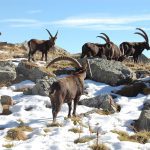

[…] By targeting only a handful of old, post-breeding males each year, the programme has helped the markhor population recover to more than 5,000, leading the IUCN to downlist it from endangered to near […]